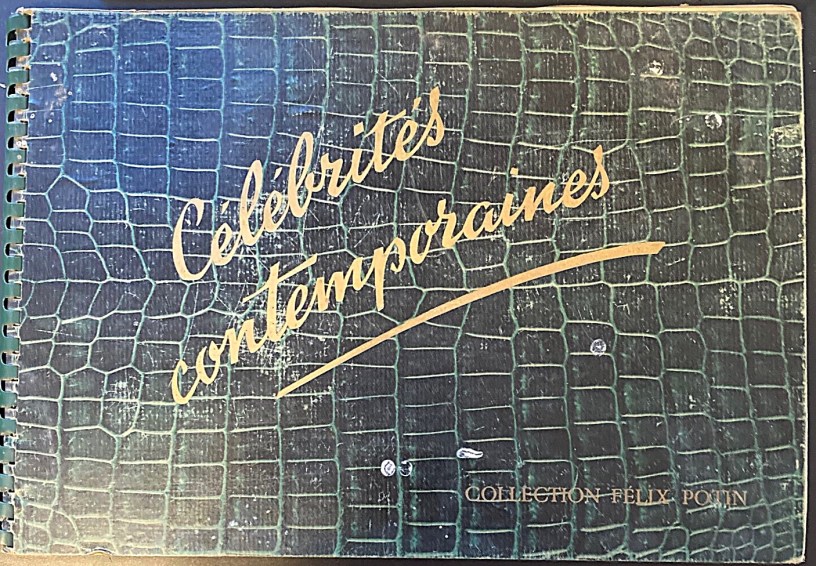
This is the fourth part of a five-part series on the Felix Potin Contemporary Celebrities set. Here’s Part 1, which focused on a general overview of the cards. Part 2 included a look at the first set. Part 3 included a review of the second set. And Part 4 looked at the last set issued in the pre-war era.
 While there was a long break of about 15 years in between Felix Potin’s second and third sets, the break to the final release was even longer. Felix Potin’s third set was released in 1922 and the fourth and final set of celebrity cards did not get released until three decades later in 1952.
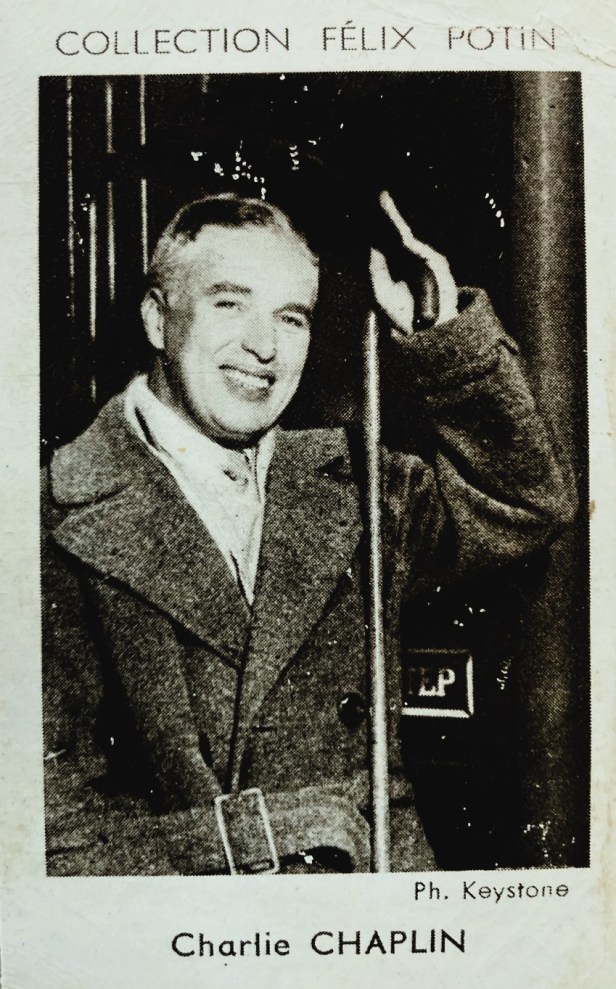
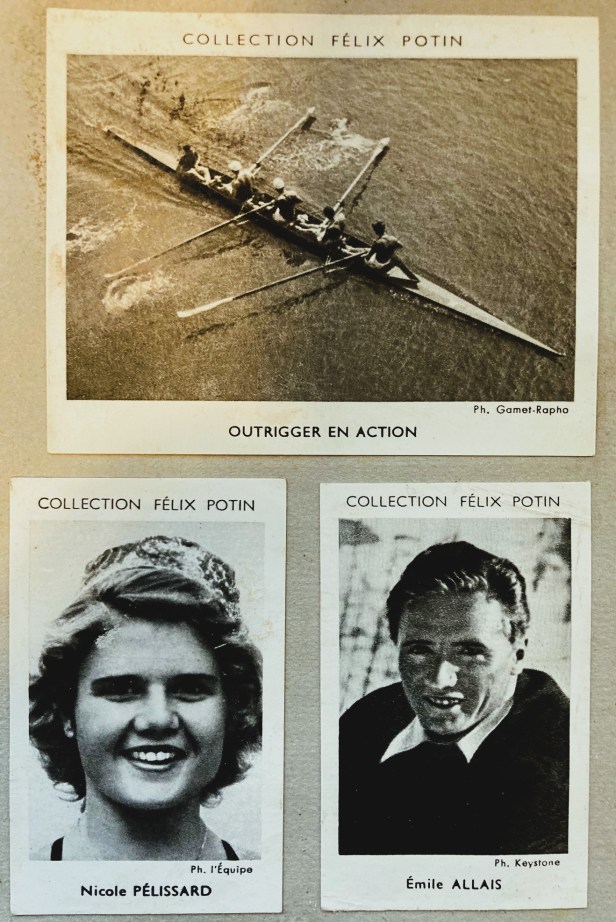
Given the long break, it is understandable why the cards were completely different than the ones issued 30 years earlier. For one thing, the cards had white borders instead of black ones. And in addition to an overall change in fonts and formatting, these newer fourth series cards were smaller, too, measuring about 1 1/2″ by 2 1/2″.
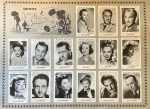
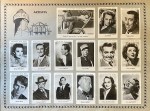
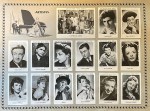
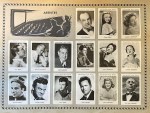
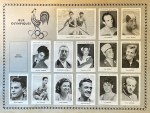
The card sizes weren’t the only thing different. While Felix Potin again created albums for collectors to store their cards, the albums have a much different look than the others. Most notably, they are bound together using a plastic coil-style binding at the edge. The album pages were also a bit more uniform in that each page included exactly 15 cards. Previous album pages varied in how many cards they held.
The set was much smaller, too. While the other three included more than 500 cards each, the fourth series included only 285.
The makeup of the set was a bit different than previous ones, too. While those sets largely focused on world leaders and military figures, this one featured few of those. Similar to the third set, this one included more popular subjects from all sorts of backgrounds. In particular, actors and actresses, along with athletes, make up 180 of the 285 total cards.
Size Differences
 The smaller-sized cards only tell half of the story, though. In addition to those standard smaller cards, Felix Potin made a few larger-sized cards as part of a more limited print run. Most pages included a spot for a larger card to go along with the smaller ones. And their album insert explains why:
“You will notice that our album has a larger box on many pages. it is intended to receive a large photo which, given its format, will only be placed in a few of our products.”
The larger cards measured 2 1/2″ by 3 1/8″. Unfortunately, beyond that insight, specific details on the larger cards are hard to come by.
There are only a total of 15 larger cards — we know that by the spaces for them in the album. And of that group, the most ‘important’ is probably a card of famous entertainer Charlie Chaplin. But what we don’t know are how few the cards were printed when compared to the rest of the print run for the smaller cards. And while some may know how these larger cards were distributed, I was not able to find out which products they were distributed in.
The one thing that we do know about the larger cards is that they were, in general, chase cards of a sort.
 Redemption Program
Another interesting thing Felix Potin did with the 1952 set is to help collectors complete their albums.
Collectors could trade some of their own cards in exchange for cards they needed. They could trade four small cards or two large ones in exchange for any one small card needed. To obtain one of the rarer large cards, they could trade eight smaller cards or four large ones. Cards could be exchanged from the stores where they purchased Felix Potin products or through the mail.
That might seem a little excessive but consider that collectors could request any card they want. They could trade four commons, for example, in exchange for one of the more popular cards. Given that, it seems like a great deal.
World Leaders/Military Subjects
The first two Felix Potin albums focused heavily on world leaders and military subjects. And while the third set included less of those subjects, they had a large overall presence in the first three series’.
However, things changed quite a bit in the fourth set.
The fourth set barely features those types of subjects at all. In fact, world leaders were not only relegated to one page, but shared that singular page with famous clergy. Military leaders, too, were cut short, being limited to a page as well.
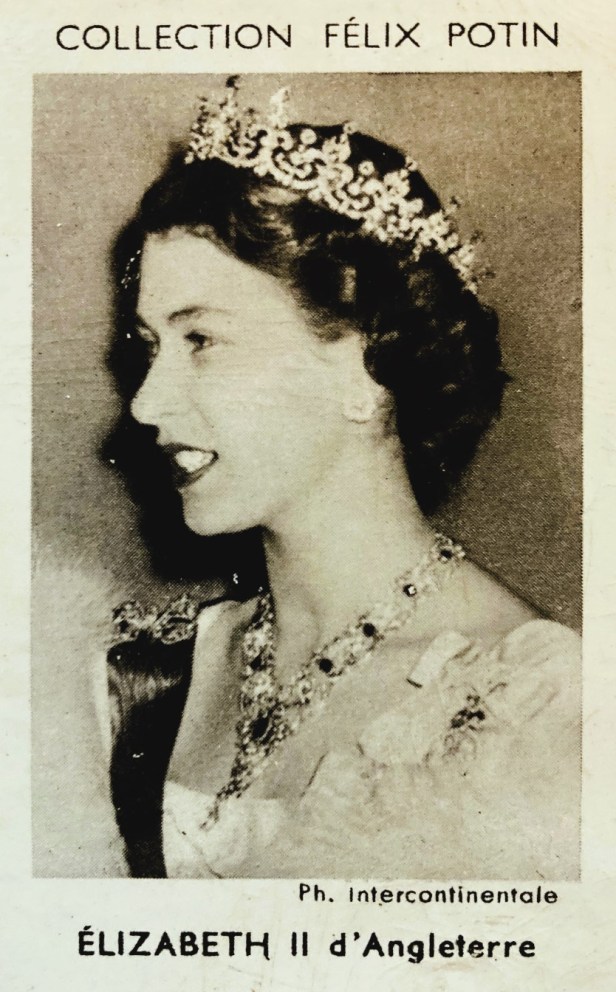
There are two noteworthy cards in the subsets. The world leaders subset features an early card of Queen Elizabeth. Elizabeth was only declared Queen in 1952 and this is one of her earliest cards after taking the throne.
We know that this card is meant to depict Elizabeth as queen instead of princess as she is called Elizabeth II. She did not take that name (as the second) until becoming queen.
Another important card is the one of Dwight Eisenhower. Eisenhower is not included in the subset of world leaders. Rather, he is included with the military subjects, because he was still only a general. But despite the presence of a U.S. President in all of the other Felix Potin series, then president, Harry Truman, is not featured.
 Non-Sports Subjects
A slew of important non-sports cards are found in this fourth series.
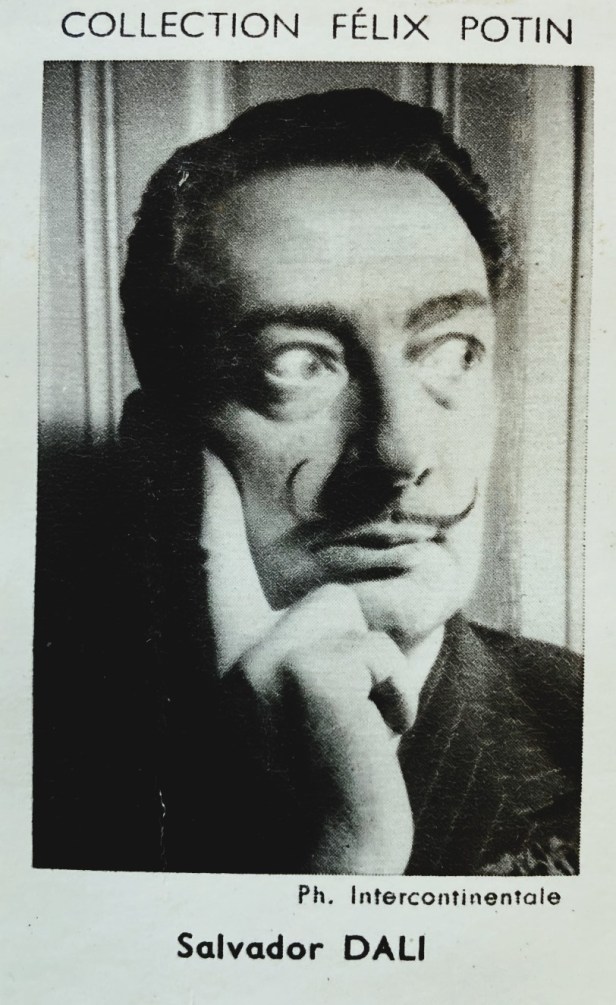
Artists, for one, were an important subset. The most important subjects in that category are Salvador Dali and Pablo Picasso. Both are among the few contemporary cards for the pair. While selling prices for both are wide-ranging as the market is still in the process of settling, the two are generally two of the more valuable cards in the series.
As mentioned, actors and actresses dominate the album, along with athletes. In all a total of 90 cards were dedicated to that group featuring many of the popular names of the 1950s and earlier.
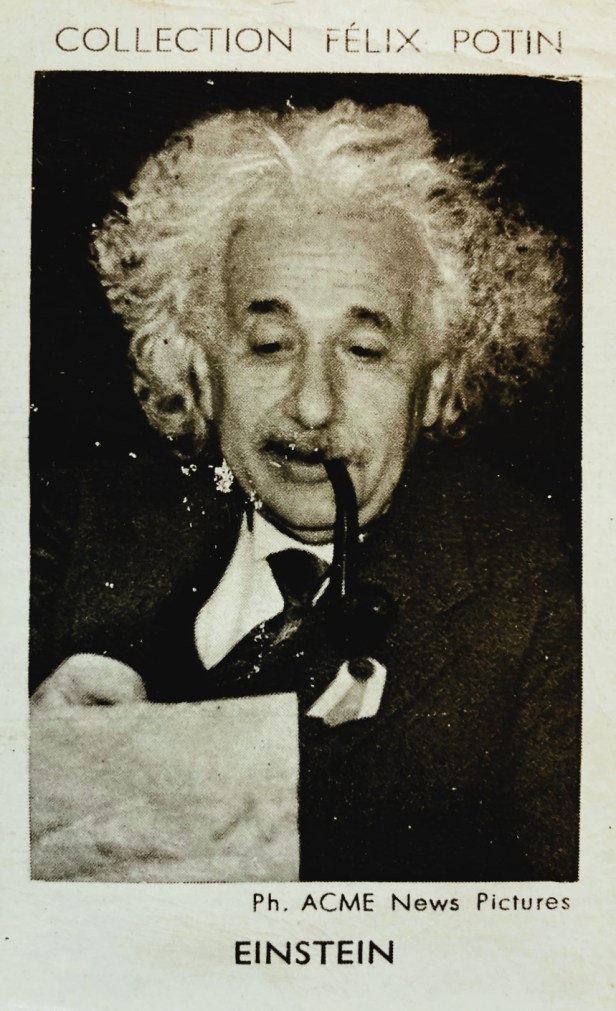
Science is featured, too, and one of the more popular cards in that group is the one of Albert Einstein. Finally, a card of famous trumpeter Louis Armstrong highlights the musicians.
Sports
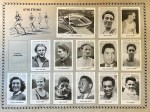
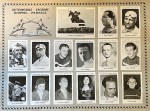
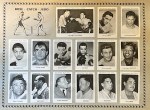
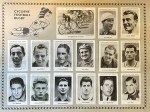
 Similar to Series 3, an emphasis was put on sports in this fourth set. In all, 90 cards of athletes are featured and, given the smaller size of the set compared to past issues, sports take up more of the set than any other. Add it all up and nearly 1/3 of the 1952 Felix Potin set is dedicated to athletes.
Boxers have a large presence in the set. Series 3 included an early card of Jack Dempsey and one of the final contemporary cards of Jack Johnson. Series 4 includes a similar pair of cards. One of the key boxing cards is for Sugar Ray Robinson, whose card, while not a rookie, is one of his earlier issues.
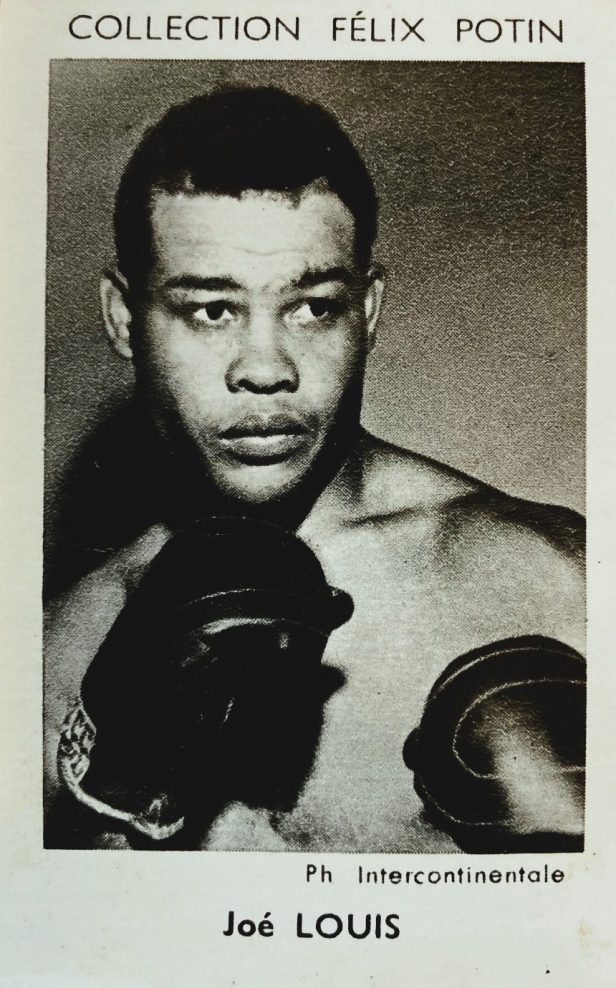
 At the other end of the scale was a card for heavyweight champion and Hall of Famer Joe Louis. Louis’ card is technically a post-career card. His last fight on record came in October of 1951 when he lost to Rocky Marciano.
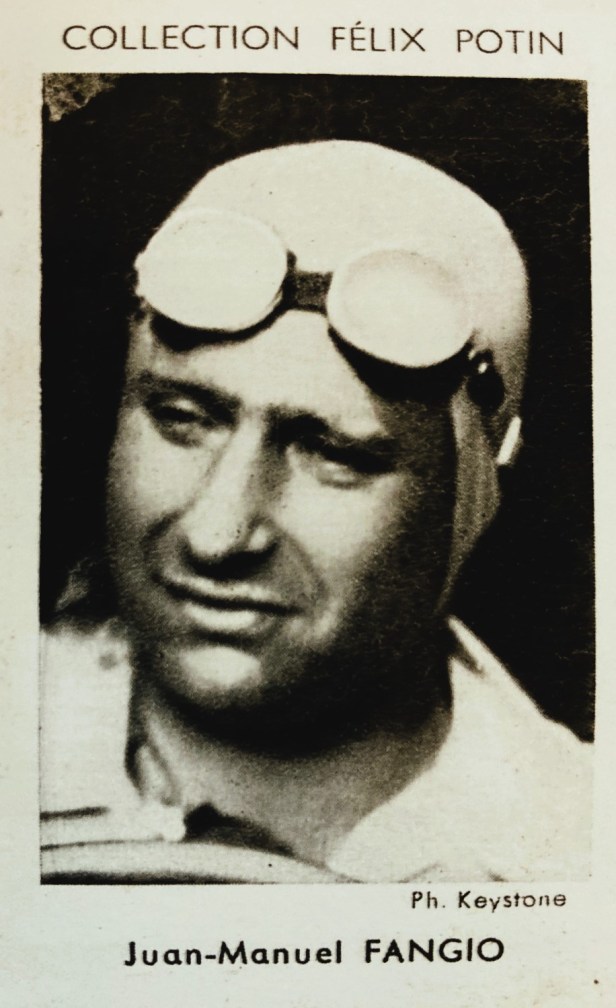
With all due respect to those two cards, arguably the sports card that commands the most interest is that of Formula One racing legend Juan Manuel Fangio.
Fangio’s name has gotten more well-known with the increased popularity of Formula One in the U.S. And his cards have gotten more expensive, too.
Fangio was a five-time world champion in Formula One and an added bonus to this card is that it is considered one of the great’s few rookie cards produced in 1952. One of the most valuable cards in the set, it typically starts in the $50-$100 range in lower-grade condition.
Other sports represented include cycling, track and field, tennis, wrestling, soccer, rugby, and more. French athletes are again featured, including Hall of Fame tennis player Jean Borotra.
Price and Rarity
As is the case with other Felix Potin cards, the easiest way to complete a set of the fourth series is by finding a completed album for sale. The cards are simply too difficult to find and too expensive to buy on a card-by-card basis for the most part. Complete albums are fairly rare, but they do come up for sale on occasion. Typically, these albums are in the $200-$400 range.
Gallery
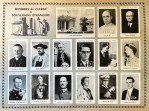
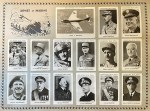
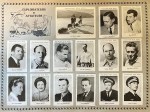
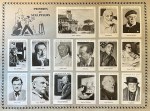
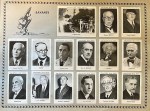
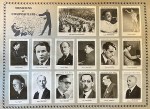
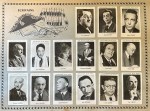
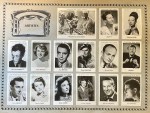
Below are images of the entire set as they appear in the album.


 Pre-War Collector